

Dental Tele-health

Telehealth in Dentistry: The Future is Now (A Call to Action for NYC Dentists)

The dental industry is evolving rapidly, and telehealth is at the forefront of this transformation. While traditionally seen as a hands-on field, dentistry is increasingly embracing virtual care to improve patient access, streamline consultations, and enhance preventive care. For New York City dentists, adopting telehealth solutions isn’t just an option—it’s a competitive advantage in a fast-paced, tech-savvy market.
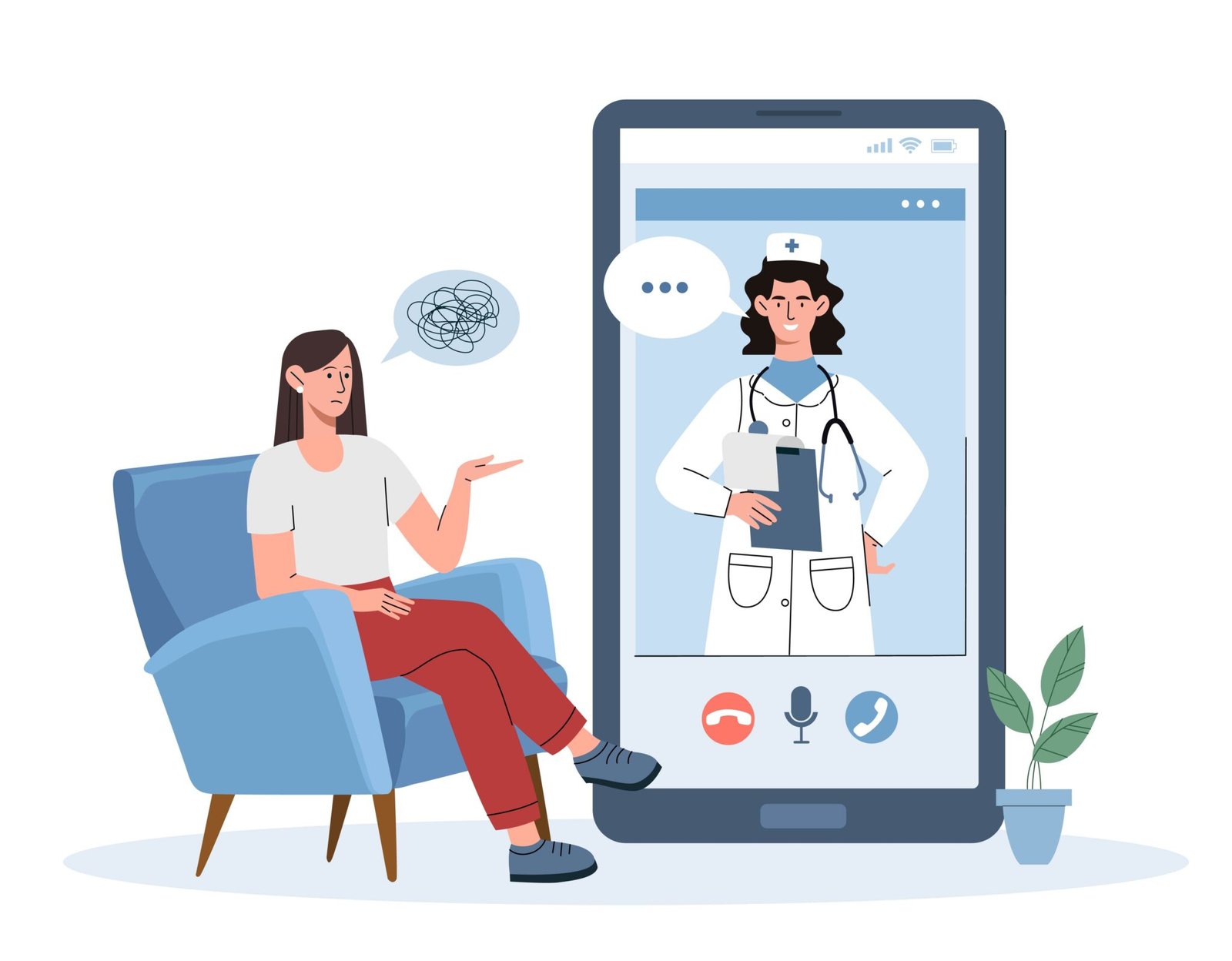
The Rise of Tele health in Dentistry

Telehealth in dentistry, also known as teledentistry, allows dentists to:

  • Conduct virtual consultationsfor initial assessments.
  • Provide follow-up careand post-op check-ins remotely.
  • Offer emergency triageto determine if an in-person visit is necessary.
  • Educate patients on oral hygiene and preventive carethrough virtual coaching.

According to the American Dental Association (ADA), teledentistry saw a 300% increase in adoption during the COVID-19 pandemic, and its benefits have secured its place as a permanent fixture in modern dental practice.

Why NYC Dentists Should Embrace Telehealth

  • Expanding Patient Access– Many New Yorkers struggle with long wait times or transportation barriers. Virtual visits make dental care more accessible.
  • Efficiency & Cost Savings– Reduce no-shows, optimize scheduling, and cut overhead costs with remote consultations.
  • Competitive Edge– Tech-forward practices attract younger, digitally native patients who expect convenience.
  • Preventive Care Focus– Early intervention via virtual check-ins can prevent costly procedures later.

Medical Billing & Reimbursement for Teledentistry

One of the biggest concerns for dentists considering telehealth is billing and insurance coverage. The good news? Many insurers now recognize and reimburse for teledentistry services. Here’s what NYC dentists need to know:

Understanding Teledentistry CPT & CDT Codes
  • D9995 (ADA Code for Teledentistry)– Covers synchronous (real-time) virtual visits.
  • D9996 (Remote Patient Monitoring)– For asynchronous (store-and-forward) consultations.
  • D0140 (Limited Oral Evaluation)– May apply to virtual problem-focused exams.
  • D0170 (Re-Evaluation)– Useful for post-op follow-ups.
Insurance Coverage in New York
  • Medicaid– New York Medicaid covers teledentistry services, including virtual check-ups and consultations.
  • Private Insurers (e.g., Delta Dental, MetLife, Aetna)– Many now reimburse for telehealth visits, but policies vary. Always verify coverage before the appointment.
  • Medicare– Limited coverage for telehealth in dentistry, but advocacy efforts are expanding access.
Best Practices for Billing Teledentistry

✅   Verify Benefits in Advance – Confirm with insurers whether teledentistry is covered under the patient’s plan.
✅   Document Thoroughly – Maintain detailed records of virtual visits, including patient consent and clinical notes.
✅   Use Modifier "GT" or "95" – Some insurers require these modifiers to indicate a telehealth service.
✅   Consider Self-Pay Options – For patients without coverage, offer affordable flat-rate virtual consultations.

How to Get Started with Teledentistry​

1. Choose a HIPAA-Compliant Platform

Platforms like Doxy.me, Zoom for Healthcare, or TheraTalk ensure patient privacy.

2. Train Your Team

Ensure staff is comfortable with virtual workflows, billing codes, and patient on boarding.

3. Market Your Services

Update your website and social media to highlight telehealth options.

4. Partner with Insurers

Verify which plans cover teledentistry to maximize reimbursements.

Call to Action: NYC Dentists, Lead the Change!

The future of dentistry is hybrid—combining in-person expertise with virtual convenience. By integrating telehealth, you can enhance patient satisfaction, grow your practice, and stay ahead in NYC’s competitive dental landscape.